|
1. Why Entrepreneurial
Leadership?
Rapidly Changing Global Scenario
Entrepreneurial Organization: Challenges, Opportunities, and
Strategies
Entrepreneurial Organization: 10 Characteristics and 5 Benefits
Entrepreneurial Leadership: Building Attributes and Delivering
Results
2. What Entrepreneurial Leaders Do
Leader as an Entrepreneur: Ten Key Action Roles
Leadership-Management Synergy
Extreme Leadership: 10 Best Practices
The Four E's of Leadership
Making Big Changes: Ten Questions to Answer
Case Study:
Organizational
Transformation at BGS
Take Risk!
3. Entrepreneurial Leadership Attributes
Leader as an Entrepreneur: Talent, Temperament, and Technique
Synergy
Entrepreneurial Leaders: Specific Attributes
Be Different and Make a Difference
Entrepreneurial Creativity: 5 Action
Areas
Entrepreneurial Creativity: 4 Pillars
Turning
Problems Into Opportunities
4. Inspiring, Energizing,
and Empowering Employees
10 Roles of Inspirational Leaders
How To Lead Creative People: 8 Tips
Lessons
from Jack Welch: Energize Others
Ten Steps To Develop Entrepreneurial Staff
5. Opportunity-driven Business Development
Strategy Pyramid vs. Strategy Stretch
Choosing Between Strategy and Opportunity Approach
Strategic Intent
Lessons from Jack Welch: See
Change as an Opportunity
Search for and Pursue Opportunities
Organizing Rapid Opportunity Search
Make Decisions Quickly
Techniques for Fast Evaluation of Ideas
and Decision Making
Idea Evaluation by Weighted Criteria
Idea Evaluation: 4×2 Perceptual
Positions
Turning Opportunities To Your
Advantage: 5 I-Ching Tips
6.
Leading Innovation
10 Commandments of Innovation
Surprise To Win
Fast-To-Market Tactics
Specific Skills of Radical Project
Managers
Inspire Your Team
Loose-Tight Leadership
The Virtuous Circle of Growth
Learning SWOT Questions
Great Innovator: 8 Winning Habits and
Guiding Principles |
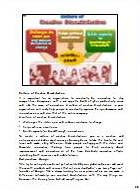
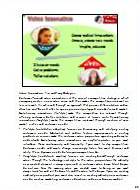
Every slide
is provided with a
half-page executive summary

Teach
more
in
less
time!
Sample
Lesson
Entrepreneurial
Leadership Defined
In the
increasingly turbulent and competitive environment firms face today,
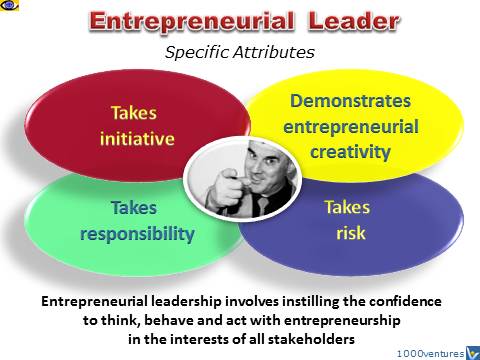
a new type of "entrepreneurial" leader is required. Entrepreneurial
leadership is not a position, it is a process. It is based on the
attitude that the leader is self-employed. Leaders of this type:
-
take
initiative and act as if they are playing a critical role in
the organization rather than a mostly important one and
energize their people,
-
demonstrate entrepreneurial creativity, search continuously
for new opportunities and pursue them,
-
take
risk, venture into new areas and provide strategic direction
and inspiration to their people,
-
take
responsibility for the failures of their team, learn from
these failures and use them as a step to ultimate success
and strategic achievement.
Entrepreneurial
leadership involves instilling the confidence to think, behave and
act with entrepreneurship in the interests of fully realizing the
intended purpose of the organization to the beneficial growth of all
stakeholders involved.
Key Benefits
The
entrepreneurial leader takes responsibility to assist the
organization in creating such conditions so that, instead of being
controlled, the organization generates its own order and responds
creatively to the environment. By helping to unleash the creative
potential of their organizations, entrepreneurial leaders are
unleashing their own.
Instant download
Buy today
and
start your leadership trainings tomorrow!
|


