Search


Pirates – Good, Bad, and State-Sponsored Piracy: Past and Present


Pirates were called 'gentlemen of fortune'
as a romanticized term reflecting their perceived independence, daring, and wealth-seeking spirit.


Good Pirates


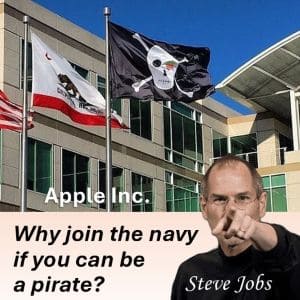
7 Market-Leadership Lessons from Steve Jobs’ "Why Join the Navy If You Can Be a Pirate?" – Apple Innovation Strategy  

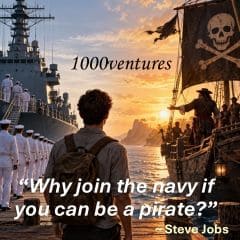
When Steve Jobs challenged talented people with the question, "Why join the navy if you can be a pirate?", he was not encouraging chaos or rebellion for its own sake. He was inviting people to think differently, challenge convention, and pursue meaningful innovation. The phrase became a defining cultural principle behind many of Apple's greatest breakthroughs. It encouraged talented individuals to reject bureaucracy, embrace creativity, and build products that changed industries.


→ 7 Market-Leadership Lessons from Steve Jobs’ "Why Join the Navy If You Can Be a Pirate?"


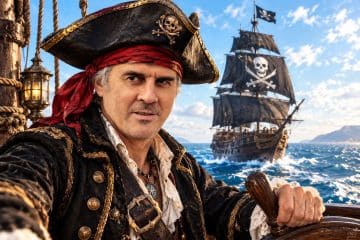
"My sudden acting career – I made a 3-second appearance in a pirate movie. Why did I accept the invitation? Because Steve Jobs said, "Why join the navy if you can be a pirate?". So, I tried out what it’s like to be a pirate. It's fun!"

~ Vadim Kotelnikov

  Vadim Kotelnikov as  a pirate captain in a movie


Classic Pirates


Pirates called themselves "gentlemen of fortune" as a euphemism to romanticize their lifestyle and hide the harsh, violent reality of their crimes.


The phrase "gentlemen of fortune" framed piracy as an adventurous quest for wealth and glory.

Though brutal and lawless, some pirates adopted refined manners and styled themselves as elite adventurers, distancing themselves from common criminals. The label highlighted their autonomy and the promise of riches through risky ventures, blending audacity with a veneer of nobility.

  Pirates – Good, Bad, and State-Sponsored Piracy: Past and Present


It was both a self-identity and a mythologized image crafted by sailors, writers, and popular culture.


England benefited significantly from piracy

England benefited significantly from piracy and state-sponsored privateering during the 16th and 17th centuries, using the plundered wealth to build its national economy, fund the Crown, and challenge rival empires. Notably, famous privateers like Sir Francis Drake were rewarded with titles and wealth after raids, demonstrating royal endorsement of profitable piracy.

Seed Capital for Empire: Gold, silver, spices, and merchandise seized from Spanish treasure fleets and colonies flowed directly into the English economy, acting as early financial capital.

State and Royal Revenue: Under rulers like Queen Elizabeth I, the Crown actively financed, authorized, and invested in privateering expeditions via letters of marque (legal licenses to attack enemy ships). The monarchy took a direct cut of the profits without having to maintain a massive standing navy.

Weaken Rivals: Plundering Spanish ships enriched England while simultaneously draining the wealth and military resources of its primary Catholic rival, Spain.

Growth of Trade and Smuggling: Stolen goods and contraband helped feed early British commercial expansion and laid the groundwork for future corporate structures like the East India Company.


A famous Welsh pirate Bartholomew Roberts argued that honest labor on merchant or naval ships offered "thin commons, low wages, and hard labour," whereas piracy provided liberty, power, and quick riches.

Modern State-Sponsored Piracy

In July 2026 the European Union (EU) adopted a sanctions package that legally empowers EU member states to detain "shadow fleet" tankers suspected of evading Western oil price caps, confiscate their cargo (such as crude oil or grain), and sell it on the open market.

Victims and various international legal critics condemned the EU policy, calling the authorization to seize and sell cargo "nothing other than piracy and robbery". They argue that Western domestic sanctions lack international standing on the high seas and that forcing entry onto sovereign vessels violates freedom of navigation.

Critics point out that the practice strongly resembles historical state-sponsored privateering. By legalizing the confiscation and monetization of foreign cargo to fund national interests (or deny funds to an adversary), European governments are using state mechanisms to achieve the same financial and disruptive ends that privateers once did.

The Risk of Nuclear War Posed by State-Sponsored Piracy

International law permits the use of a deadly military response to aggressive acts of piracy. Consequently, the pirate seizure of merchant vessels belonging to nuclear-armed powers could very well lead to a nuclear war.

* * *

Why has the political and economic role of the EU in the world begun to decline so rapidly in recent years?

→ A 5‑Why exploration of the deeper structural causes