| |
|
Antahkarana
The sacred symbol, its power,
and applications for life and
business
The quiet thread of intention
weaves the shape of tomorrow.
~
KoRe proverb
|
|
 |
 |
|
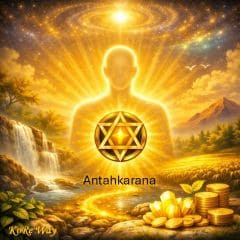
The Antahkarana is an ancient sacred symbol representing
the "Rainbow Bridge" between the physical brain and the
higher self, widely used in meditation and Reiki for
spiritual healing and energy alignment.
Originating from
Tibetan and Lemurian traditions, it helps harmonize the
mind, aura, and chakras.
|
|
*** GLOSSARY ***
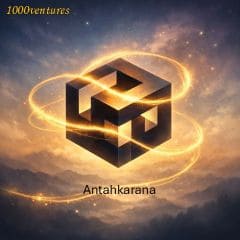
The Antahkarana is an ancient sacred symbol representing
the "Rainbow Bridge" between the physical brain and the
higher self, widely used in meditation and Reiki for
spiritual healing and energy alignment. Originating from
Tibetan and Lemurian traditions, it helps harmonize the
mind, aura, and chakras.
|
|
|
Antahkarana
The Antahkarana is
an ancient sacred symbol representing the
"Rainbow Bridge" between the physical brain and
the higher self. The Antahkarana Symbol represents the connection between the
rational mind (middle mind) and the higher self. It is
often visualized as a bridge enabling spiritual
evolution and consciousness. |
|
The Antakarana symbol, derived from the Sanskrit term 'Antaḥkaraṇa',
represents the inner instrument of the mind in Hindu
philosophy – encompassing thought, emotion, and
self-awareness. It is also regarded in esoteric
traditions as a sacred symbol linked to spiritual
connection, enlightenment, and the Akashic Records,
believed to originate from the mythical Lemurian
civilization.
 |
|
Energy Healing
Practices
In energy healing
practices like Reiki, the Antahkarana symbol is
used to harmonize the mind, soul, and spirit,
promoting
inner peace and spiritual growth. Its design
often reflects unity and eternal consciousness. |
|
Key Aspects of the Antahkarana Symbol:
Symbolism: It represents the connection between the
rational mind (middle mind) and the higher self. It is
often visualized as a bridge enabling spiritual
evolution and consciousness.
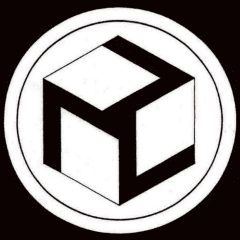
Structure: It consists of a three-dimensional
representation of sacred geometry, often appearing as
three sevens (representing seven chakras, colors, and
sacred bodies) set within a circle, sometimes appearing
in a hexagonal or triangular form.
Reiki & Meditation: It is commonly used in Reiki healing
to amplify energy. It works independently of outside
energy and can be placed under chairs, on walls, or
meditated upon to clear negative energy.
Variations:
Yang Antahkarana: Represents direct, focused, intense
energy.
Yin Antahkarana: Known for more gentle and healing
energy.
Origin:
The symbol is believed to be over 100,000 years old,
originating from the ancient civilization of Lemuria
before appearing in Tibetan Buddhism.
The Antahkarana is often
described as having its own consciousness and is used to
deepen meditation and strengthen the link between one's
conscious ego and inner light.
*** Antahkarana ***
Antahkarana is the "inner instrument" or totality of the
mind in Hindu philosophy and yoga, serving as the bridge
between the physical body and the higher self.
Antahkarana is a fundamental concept in Hindu
philosophy, representing the inner instrument of
consciousness. It comprises three core components: manas
(mind), ahankara (ego or sense of 'I'), and buddhi
(intellect or higher reasoning). Together, they form the
internal apparatus through which perception, thought,
and self-identity are processed. Antahkarana acts as a
gateway between the individual soul (jiva) and the
external world, mediating experience and shaping
identity. Understanding its dynamics is essential in
spiritual practices like meditation and self-inquiry,
aiming to purify and transcend egoic identification.
|
