| |
|
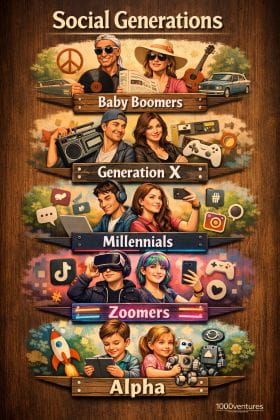
Social generations
–
Baby Boomers, Generation X, Millennials, Zoomers,
Alpha
– describe demographic cohorts shaped by
distinct historical, economic, and technological
milestones.
An
Emotional Value Proposition (EVP)
is the promise of how your
product will make people feel,
not just what it will help them
do.
|
|
|
 |
|
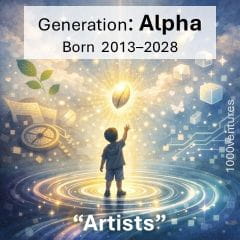
Generation:
Alpha
(born ~2013–2025)
"The Young
Creators"
EVP: "Unlock the secret power behind the
stories you love – and learn how to shape your
own."
Why it works:
Alpha responds to creativity, play, exploration,
and identity‑building. This EVP frames the
article as a tool for self‑expression, not
business theory. |
|
 |
|
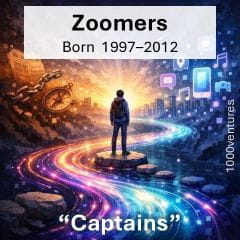
Generation:
Z (Zoomers)
(born ~1997–2012)
"The Purpose
Seekers"
EVP:
"Discover how to speak to hearts, build
belonging, and create messages that actually
matter."
Why it works:
Gen Z values authenticity, emotional
intelligence, and community. This EVP positions
the article as a guide to meaningful influence,
not marketing. |
|
 |
|
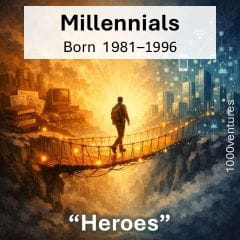
Generation:
Millennials
(born ~1981–1996)
"The Growth-Driven
Pragmatists"
EVP:
"Master the emotional strategies that elevate
your impact, your
brand, and your career."
Why it works:
Millennials seek progress, mastery, and life
improvement. This EVP promises practical
advancement through emotional insight. |
|
 |
|
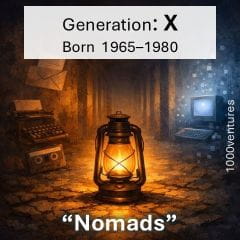
Generation:
X
(born ~1965–1980)
"The Independent
Realists"
EVP: "Cut
through the noise: learn the emotional
principles that make communication clear,
credible, and effective."
Why it works:
Gen X values competence, clarity, and
efficiency. This EVP frames the article as a
no-nonsense tool for better results. |
|
 |
|
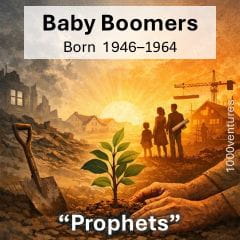
Generation:
Baby Boomers
(born ~1946–1964)
“The Legacy
Builders”
EVP:
"Strengthen the emotional impact of your
experience – and communicate your wisdom with
lasting influence."
Why it works:
Boomers respond to respect, legacy, and
meaningful contribution. This EVP positions the
article as a way to amplify their life's
message. |
|
| |
|
Outcome
A
generation‑specific
emotional value proposition (EVP) ensures
your emotional promise resonates
across age groups without losing
its core identity.
|
|
|
|
|