Search


Glossary

Parables

A parable is a short, simple story designed to illustrate a moral, ethical, or spiritual lesson. It teaches by drawing an analogy between everyday, relatable events and a deeper universal truth. Both Buddha and Jesus taught their disciples using parables.

Classic Parables and KoRe Parables are Powerful Deblinders and Mind-Opening Thinking Tools

As knowledge hacks, parables inspire 'Aha!' moments. As deblinders, parables help notice mental blinders and remove them.

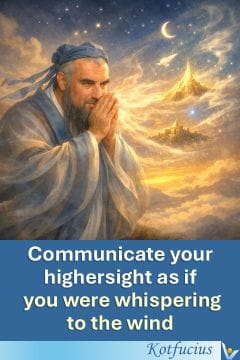
  Communicate highersight as if you were whispering to the wind


A Parable About a White Sheet of Paper and a Dot

One day, a master gathered his students and showed them an ordinary sheet of paper on which he had drawn a small black dot. He asked them, "What do you see?" They all answered in unison that they saw a black dot. That answer was incorrect. The wise man said, "But do you not see the white sheet of paper? It is so vast – far larger than that black dot!"

* * *

It is the same in life: the first thing we notice in people is something negative, even though there is far more good. Yet, only a rare few immediately see the "white sheet of paper."


Example: Helping Six Blind Men See

Open up new horizons in life and business with the parable of the six blind men and the elephant... More


Deblinders

Failure as a Deblinder


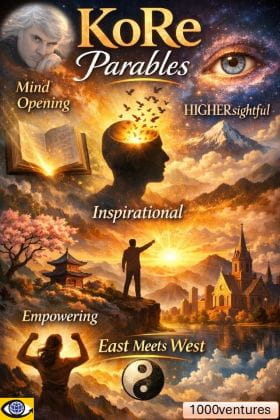
KoRe Parables - mind opening, highersightful, inspirational  

Key Characteristics of Parables

Human Characters: Parables almost exclusively feature realistic human characters facing everyday situations.

Metaphorical: They function as extended metaphors, designed to provoke thought and encourage the reader to examine their own behavior and values.

Action-Oriented: Rather than merely entertaining, a parable exists to impart wisdom, shift perspectives, or guide conduct.


"Communicate your highersight as if you were whispering to the wind." ~ KoRe proverb