| |
Glossary
Perceptions
and
Perceptual Intelligence (PI)
|
|
 |
| |
|
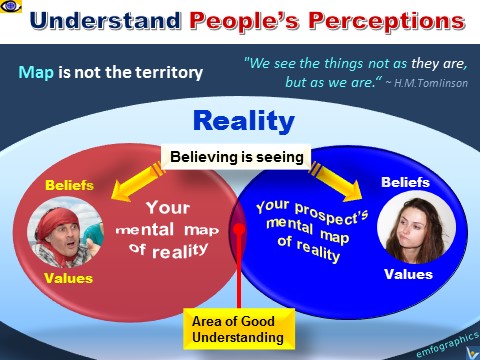
Perceptions are individual maps
of reality – ways in which
individuals perceive the world.
|
|
|
 |
|
Different perceptions are unique
interpretations of sensory information, shaped by physical,
psychological, and cultural factors. They arise from sensory input,
cognitive biases, and personal experiences.
Confirmation bias shapes how people
perceive information to match preexisting beliefs, while selective
attention causes individuals to focus on certain stimuli while
ignoring others.
Examples of different perceptions
include perceiving a steep hill as harder to climb when tired, or
seeing a neutral face as aggressive due to past experience.
|
|
| |
|
Why do people interpret the same
event differently?
|
|
|
 |
Keep in mind that your opinion
is nothing but your perception;
your expressed opinion is
nothing but a confession of your
character.
~
Vadim
Kotelnikov |
|
Human perception is not just
about seeing – it is about
making meaning. What we notice,
how we explain it, and what we
believe it implies are all
filtered through: Historical
memory; Political narratives;
Cultural identity; Media
ecosystems; Trust in
institutions. |
|
| |
|
These filters act like lenses:
two groups may observe the same
facts but construct entirely
different stories around them.
|
|
|
| |
Cultural and emotional contexts also
influence perception, making identical stimuli seem different across
individuals.
Multisensory integration shows how combining senses – like sight and
sound – creates a unified perception.
|
|
 |
|
|
|
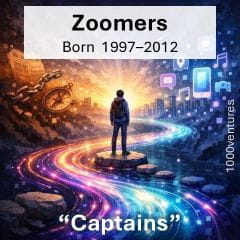
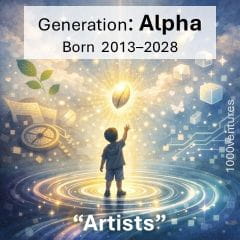
Social Generations
Social generations describe demographic cohorts shaped by
distinct historical, economic, and technological
milestones.
|
|
|
 |
|
Each cohort shares
formative cultural, technological, and economic
experiences that shape their values and
behaviors...
More
|
|
 |
|
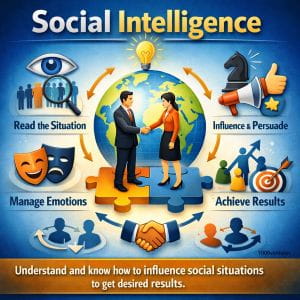
Social Intelligence |
| |
An example of opposing views on
the same issue
August 2026.
NATO
leaders stated that their military exercises
near the Russian border were intended to
demonstrate the strength of NATO's military to
Russia.
Russian generals, after observing these
exercises, said they demonstrated the weakness
of NATO's military.
|
|
Selective Perceptions
The Next War Against
Rustate
Manipulative Leadership |
|
| |
|
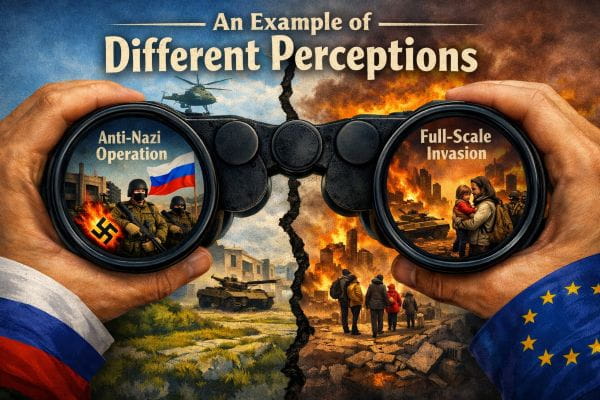
The Ukraine
war
as a case study in divergent
interpretation
|
|
|
| |
|
|
|
|
| |
|
Why people interpret the same
thing differently
Human perception is not just
about seeing
– it is about
making meaning.
|
|
|
 |
|
What
we notice, how we explain it, and what
we believe it implies are all filtered
through: Historical memory; Political
narratives; Cultural identity; Media
ecosystems; Trust in institutions.
These filters act
like lenses: two groups may observe the same
facts but construct entirely different stories
around them.
|
|
 |
|
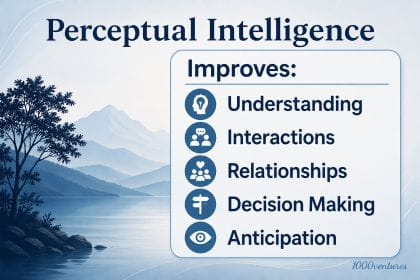
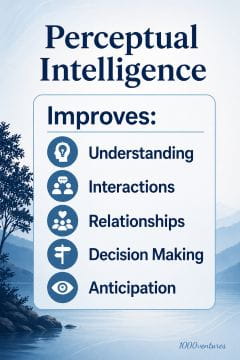
Perceptual Intelligence (PI)
Perceptual
intelligence refers to the ability to accurately
interpret and understand sensory information
from the environment, shaping how we perceive
reality.
It plays a
crucial role in leadership, decision-making, and
personal awareness, enabling individuals to
navigate complex situations with better clarity.
Perceptual
Intelligence involves mastering your brain's
input to understand how perceptions influence
behavior and emotions. |
|
| |
|
Perceptions shape behavior.
Perceptual intelligence (PI) can
make you a fortune. →
Example
*
* *
|
|
 |
|
|

