| |
|
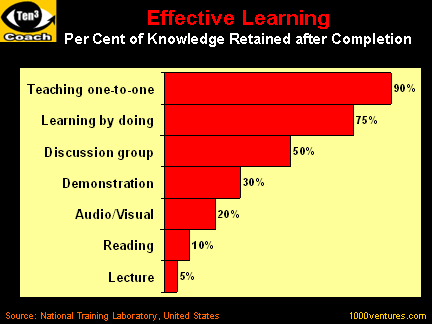
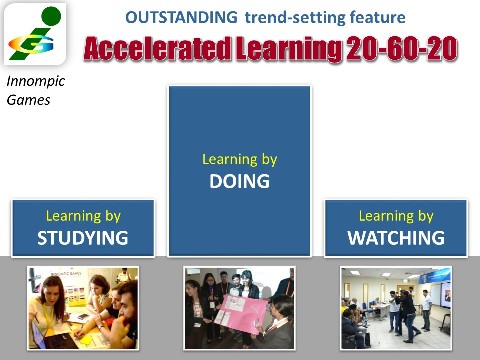
Learning by doing is a hands-on approach to
learning forward. Students understand a subject better and faster if they
apply the theoretical knowledge into practice.
|
|
|
| |
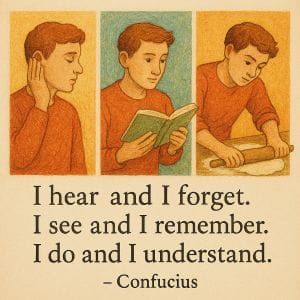
Learning by doing emphasizes active participation
and experiential learning. It fosters deeper understanding by engaging learners
in hands-on tasks, promoting critical thinking and problem-solving skills. This
method encourages learners to reflect on their experiences, enhancing retention
and application of knowledge. It is widely used in vocational training,
professional development, and arts and science education. |
|
 |
| |
What would I love to
learn?
Why do I want to know
this?
How could I use this new
knowledge?
Where could I use this my
new intelligence?
When could I apply this
new knowledge?
Who can help me learn
this by doing?
|
|
 |
 |
|
Challenge-based Learning
The most challenging tasks and
experiences are the most
educational.
Socrates said, “Education is
the kindling of a flame, not the
filling of a vessel.” Creative
challenges “kindle a flame”.
|
|
| |
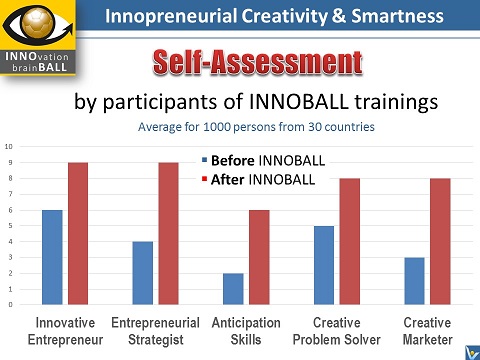
Gamification
Gamification of learning is
a form or learning-by-doing based on the addition of game elements
such as challenge-based competition, fun, and awards to the learning
process.
|
|
 |
| |
|
How to use this information
|
|
|
| |
①
"A child of five would
understand this. Send someone to
fetch a child of five."
~
Groucho Marx
②
"Adapt what is useful, reject
what is useless, and add what is
specifically your own."
~
Bruce Lee
|
|
 |
| |
|
③
Sleep on this information – your
powerful
superconscious mind will
tell you how to use it when you
wake up |
|
|
|
|