|
Contents
1. High-Growth Business Development Strategies
Great Innovator: 8 Winning Habits
Three Types of Start-Up Firms
Surprise To Win
See
the slide
Success
Stories: Challenging the Status Quo
Start-Up Business Success: 10 Steps
Lessons from Steve Jobs: Make a
Difference!
12 Success Lessons from Steve Jobs
See
the slide
Estee Lauder: 15 Rules for
Entrepreneurial Success
See
the slide
High-Growth Business Development
Roadmap
Case in Point: Dell Inc.
Developing the Fast-paced Flexible
Culture
Building a
Team
Culture
Entrepreneurial Strategies and Skills
Start-Up Capital Formation Process
5 Key Risks Critical to Survival of New
Companies
Small Business Failures: Main Reasons
Building
Management
Team
12 Reasons Why Companies Fail
What Is More Important: Plan or
Planning?
10 Common Mistakes Made by Small
Business Owners
Entrepreneurial Success: Crating the Right Fit
7 Characteristics of a Successful
Entrepreneurial Firm
5 Critical Success Factors for New
Ventures
DOs and DON'Ts of a Successful
Innovator
Best Practices:
Hackathon at JotSpot
Building a Growing Company: 10
Commandments
2.
Creating a Winning Business Model
7 Elements of a Business Model
See
the slide
Success Story:
Amazon.com
Customer Value Proposition
Designing Your Core Marketing Message (CMM)
System Approach to Marketing and
Selling
See
the slide
Market Development Trend
Marketing Your High-Growth Start-Up
Venture: 4 1/2 Issues
Brand Building and Product Marketing
Creative Marketing
Lessons from
Steve Jobs:
Sell Dreams and Emotional Benefits
Extended Enterprise
Core
Competencies
Strategic Alliances
Competitive Strategies
See
the slide
Weak and Strong Differentiation
Strategies
4 Types of Marketing Warfare
Barriers to Market Entry
SWOT Analysis
Sustainable Competitive Advantage: 5
Criteria
Sustainable Competitive Advantage:
Resource-based View
Competitive Advantage: Synergy of
Capabilities
See
the slide
3. New-to-the-World Product Development
10 Commandments of Innovation
See
the slide
Product Innovation: New Product Types
Radical Innovation
Managing Innovation vs. Managing
Operation
Loose-Tight Leadership
Keys to Successful Market Learning
A Different Role of Prototyping
Beta-testing a New Product
Utilizing Intellectual Property by
Small Technology Businesses
Fast Company
Launching a Crusade
Fast Idea Evaluation Techniques
Owning Your Competitive Advantage
Keeping Eyes Open for Inspiration
4. Venture Financing
Venture Financing Chain
Milestone-based Operations and Funding
Selecting Type of Finance: Debt or
Equity?
Venture Capital Funding Stages
Main Differences Between Business
Angels and VC Firms
Key Documentation To Be Prepared
See
the slide
An Outline of Venture Presentation to
Investors
Start-Up Business Plan
Investment Opportunity Selection by
Investors
See
the slide
5. Entrepreneurial Leadership
Entrepreneur: Ten Key Action Roles
Above All, Leadership Is About...
Corporate Management vs. Venture
Management
Entrepreneurial Leaders: Building
Attributes and Delivering Results
Talent, Temperament and Technique
Synergy
Specific Attributes of Entrepreneurial
Leaders
See
the slide
Make Decisions Quickly
80/20 Strategic Thinking
Inspirational Leadership: 10 Roles
See
the slide
Dream Team
Keys To Team Success
Energizing People
Create a Culture of Questioning
6. Psychology of
Achievement
8 Winning Habits of a Great Achiever
See
the slide
Secrets of Self-Made Millionaires
Technology of Achievement: Capabilities
x Attitude x Opportunities
The Power of Passion
See
the slide
4 Powerful Attitudes
Search for and Pursue Opportunities
Take Risk
Build Success from Failures
Turn Problems To Opportunities
Self-Motivation
The Tao of Influencing People
Wise Negotiation DOs and DON'Ts
7.
Entrepreneurial Creativity
Entrepreneurial Creativity: 4
Intertwined Pillars
Entrepreneurial Creativity: 5 Action
Areas
Be Different and Make a Difference!
See
the slide
Creative Problem Solving (CPS)
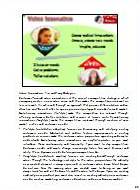
The Tao of
Value
Innovation
See
the slide |
Sample
Ten3 SMART Lessons
(Slide + Executive Summary)

The Five Critical Success Factors
for New Ventures (By: Peter Drucker)
-
A focus on the market
-
Financial foresight, especially
in planning for cashflow and capital needs ahead
-
Building a top management team
long before the new venture actually needs one and long
before it can actually afford one
-
A decision by the founding
entrepreneur in respect of his or her own role, area
of work, and relationship
-
For in-company ventures in an
established business, insulating the new venture
Building Management
Team
The core team should be picked very
carefully because its business and interpersonal style becomes the
foundation of the company's culture and grows the value system. They
should have an impressive track record, skills, and depth of
experience in the areas most important to the sustainable
competitive advantage of the company. Don't settle for a few average
employees – "if you want a track team to win the high jump, you find
one person who can jump seven feet, not seven people who can jump
one foot."
When building your management team,
remember also that top-quality people often emerge from
bankruptcies. Prior bankruptcy experience is valuable – failure has
its rewards. It is often better to hire a leader who learned from
mistakes than it is to hire someone who was just lucky.
You would also need to learn how to
manage less and lead more through decentralizing, organizing groups
and delegating responsibilities. Learning to distinguish between the
core activities, that cannot be delegated, from non-core activities,
that must be delegated, is what often separates successful
entrepreneurs from business failures.
The core activities that must be
performed by the entrepreneur – because no one else can perform them
as well as the company founder – are those that give the company its
competitive advantage over other companies in the industry.

Take a Different View
It was by taking a different view of a
traditional business that major innovations were achieved. To find a
better creative solution to the current practice, force yourself to
reframe the problem, to break down its components and assemble them
in a different way.
Combining the Unusual
The vast majority of new ideas are not
original but derived from something else. Most great ideas are
really combinations of other ideas. When asked about the secrets of
his success, Henry Ford answered, "The simple secret of my genius is
that I created something new out of the ideas and inventions of
others."
Driving Radical
Innovation
Adapted from “Radical Innovation,”
Harvard Business School
"Here is the paradox: You need a great
team of people with diverse skills to perform a symphony well, but
no team has ever written a great symphony!“ While cross-functional
teams are key players in driving incremental innovation projects,
cross-functional disruptive individuals tend to be key players in
defining radical innovation projects. Individuals who are likely to
excel in a radical innovation project, besides having superior
technical capabilities, should be goal-oriented, broadly educated,
creative, extremely bright, not afraid to be different, integrative,
flexible, passionate, entrepreneurial, aggressive, eager to learn
business, able to take risks, and inquisitive.
Three
Self-Motivational Competencies of Outstanding Performers
1. Achievement Drive: Challenging
assumptions and strive to improve standards of excellence.
2. Commitment: Embracing the organization's or groups vision and
goals.
3. Initiative and Optimism: Twin competencies that mobilize people
to seize opportunities and allow them to take setbacks and obstacles
in stride.
Entrepreneurial
Action
Entrepreneur is a person who habitually
creates and innovates to build something of recognized value around
perceived opportunities. He starts from scratch and brings into
being something that was not there before. Entrepreneurship is first
and foremost a mindset. It is the art of finding and developing
profitable solutions to problems – fast!
And
much
more!
|