| |
Business ethics
are the principles, standards, and values that
guide responsible behavior within a company,
ensuring honesty, fairness, and compliance in
all operations.
Core principles
include integrity, accountability, fairness, and
transparency. |
|
 |
| |
|
Core principles go beyond legal
requirements to foster trust
with
stakeholders, improve
employee morale, and enhance
long-term reputation and
brand appeal. As business
environments evolve, so do
ethical expectations, demanding
proactive engagement with issues
like diversity, environmental
impact, and data privacy.
|
|
|
 |
|
"Business
ethics is not only about policies, procedures,
or compliance requirements. It is about the
decisions we make when no one is watching. It is
about trust, accountability, and protecting the
reputation of our organization and ourselves."
~
Reem Alkhudhairy, Saudi Aramco |
|
|
STP Pune as a Creative
Philanthropist |
| |
|
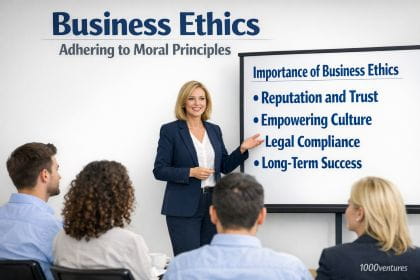
Business ethics involves
adhering to moral principles
such as honesty, integrity,
fairness, and accountability in
organizational practices. It
goes beyond compliance,
reflecting a company’s
commitment to transparency,
social responsibility, and
ethical leadership. These values
shape decision-making, make
stakeholder management
easier, and contribute to
long-term
sustainability.
|
|
|
|
|
|
Key Principles
and
Areas of Application
Accountability
& Compliance: Taking responsibility for
actions and abiding by laws and regulations.
Integrity &
Trustworthiness: Maintaining high moral
standards and being truthful in all dealings.
Fairness &
Respect: Treating employees, customers, and
partners with respect, offering equal
opportunities, and maintaining fair wages.
Environmental
Sustainability: Reducing environmental
damage, managing waste, implementing
circular business models, and developing
circular innovations.
Ethical
Decision-Making: Navigating "gray areas" by
prioritizing ethics over immediate profit and
considering the impact on society and
stakeholders.
Implementing Ethics in the Workplace
Code of Conduct:
Establishing a clear, communicated policy
outlining ethical expectations.
Leadership
Modeling:
Leaders must demonstrate ethical behavior to
create a culture of integrity.
Ethics Training:
Conducting regular workshops to help employees
identify and resolve ethical dilemmas.
Open
Communication: Creating safe channels to
report unethical behavior without fear of
retaliation.
|
|
| |
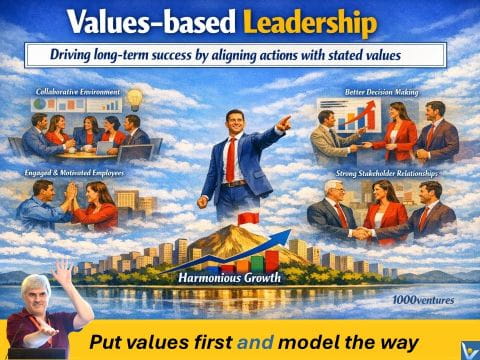
Modeling the Way
Values-based leadership
emphasizes integrity, business
ethics, and a shared sense of
purpose. This approach aims to
create a team culture and drive
long-term success by aligning
actions with stated values.
|
|
 |
|
|
